Guide
How to brew kombucha
The full one-gallon method with real ratios, temperatures and timings — what to buy, what to do each day, and what the two fermentations are for.
Top pick · Fermentaholics Complete Kombucha Brewing Starter Kit (1 Gallon)
Scoby & Spout
Everything here answers a question somebody actually typed. The recipe, the timeline, the failures, and the two or three things that genuinely are safety matters rather than folklore.
The short answer
If you are starting from nothing, read how to brew kombucha first, then the first-batch timeline so you know what each day should look like. If something has already gone wrong, the two pages people need most are mold versus SCOBY and why it is not carbonating.
Home kombucha is four steps and one of them is waiting. Brew sweetened tea and cool it. Add the culture and its starter tea. Cover with cloth and leave it somewhere warm for one to two weeks. Bottle it, optionally with fruit, and leave the bottles sealed for a few days to carbonate.
That is the whole thing. Almost everything written about kombucha is an elaboration of one of those four steps, and almost every problem is a temperature problem, a starter tea problem, or a seal problem in disguise.
The first fermentation is open to the air, in a jar covered with cloth. The culture needs oxygen, and the carbon dioxide it produces simply escapes. This is where the sourness comes from.
The second is sealed, in a bottle, usually with a little fruit or juice for the yeast to work on. Now the gas cannot escape, so it dissolves into the liquid, and that is the fizz. Understanding this distinction resolves most confusion at once: a first fermentation is not supposed to be fizzy, and a second fermentation cannot happen in anything that is not sealed. Second fermentation is the full version.
Two things happen once a batch is bottled. It has to be stored, and somebody in the house asks what is in it. Storing kombucha covers why refrigeration is a brake rather than a preservative and what a sealed bottle left out actually does, while does kombucha have caffeine gives the published figures and is honest about where the research disagrees with itself.
And if the weekly brew-and-empty cycle stops suiting you, the method itself can change. How to run a continuous brew sets out the published proportions for a vessel you draw from and refill rather than empty.
Two questions come before the equipment. The first is whether the whole thing is worth doing — is brewing your own kombucha worth it works through what you buy once against what you buy repeatedly, and names the three cases where the honest answer is no. The second is what to put in the jar: the best tea for kombucha compares the bags on published gallons per pouch and lists the teas that will quietly starve a culture.
And one problem is common enough to deserve its own page rather than a paragraph. A fermenting jar gives off exactly the signals a fruit fly is looking for, which is why fruit flies and your kombucha jar covers the weave that actually stops them and what to do if they already got in.
And the method itself is not the only one worth knowing. Jun runs on green tea and honey rather than black tea and sugar, ferments cooler and finishes faster, which makes it the realistic ferment for a kitchen that never reaches kombucha's band — how to make jun covers the full method, including the one step that is genuinely different from brewing kombucha.
Most kombucha worry is misplaced, and a couple of things are worth taking seriously. Acidity is the real defense, which is why pH testing earns its place. Fuzzy mold on the surface means the batch and the culture both go, with no exceptions. And every fermented drink produces a trace of alcohol, which matters for some households and not for others — kombucha alcohol content covers what is actually known.
We are not a medical source and we do not offer health advice. What this site can do is be exact about process and materials, cite what makers publish, and say plainly when something is not published. Home fermentation safety keeps to that line.
Water kefir has its own bottling stage and it behaves differently from kombucha's. The water kefir second ferment covers the pressure-rated bottles it needs, how much juice to add and why it finishes in a day or two rather than three to five.
And a batch does not have to end as a drink. Making kombucha vinegar on purpose covers the deliberate version of the thing most brewers only do by accident — the vessel, the timing, and the one figure you can never put on the result.
The other question that comes up once the routine is established is what happens when you stop. Leaving your kombucha while you are away covers the jar, the sealed bottles and the culture for a week, a month or a season — and why refrigerating the brewing jar is the instinct to resist.
Guide
The full one-gallon method with real ratios, temperatures and timings — what to buy, what to do each day, and what the two fermentations are for.
Top pick · Fermentaholics Complete Kombucha Brewing Starter Kit (1 Gallon)
Guide
A day-by-day account of a first batch — what you should see, what alarms people and is fine, and when to start tasting.
Top pick · Craft a Brew Fermometer Adhesive Strip Thermometer
Guide
Which teas work and which damage a culture over time, why herbal infusions are not tea, and the ratios for a one-gallon batch.
Top pick · Fermentaholics Complete Kombucha Brewing Starter Kit (1 Gallon)
Guide
What the second ferment is, how much sugar to add, how long it takes, and how to know when to refrigerate without opening every bottle.
Top pick · EZ Cap Swing Top Bottles, Amber Glass, 16 oz (Case of 12)
Guide
Reserve the starter, strain, fill with headroom, seal and condition — with the quantities and the two things people get wrong.
Top pick · EZ Cap Swing Top Bottles, Amber Glass, 16 oz (Case of 12)
Guide
The five causes of a flat second ferment, ranked by how often each is actually the problem — starting with the one nobody checks.
Top pick · EZ Cap Swing Top Bottles, Amber Glass, 16 oz (Case of 12)
Guide
Mold is fuzzy, dry and raised; a new pellicle is smooth, wet and flat. The distinction that decides whether to bin a batch, and how to prevent it.
Top pick · Micro Essential Lab Hydrion 9200 Spectral pH Strips, 0.0-6.0
Guide
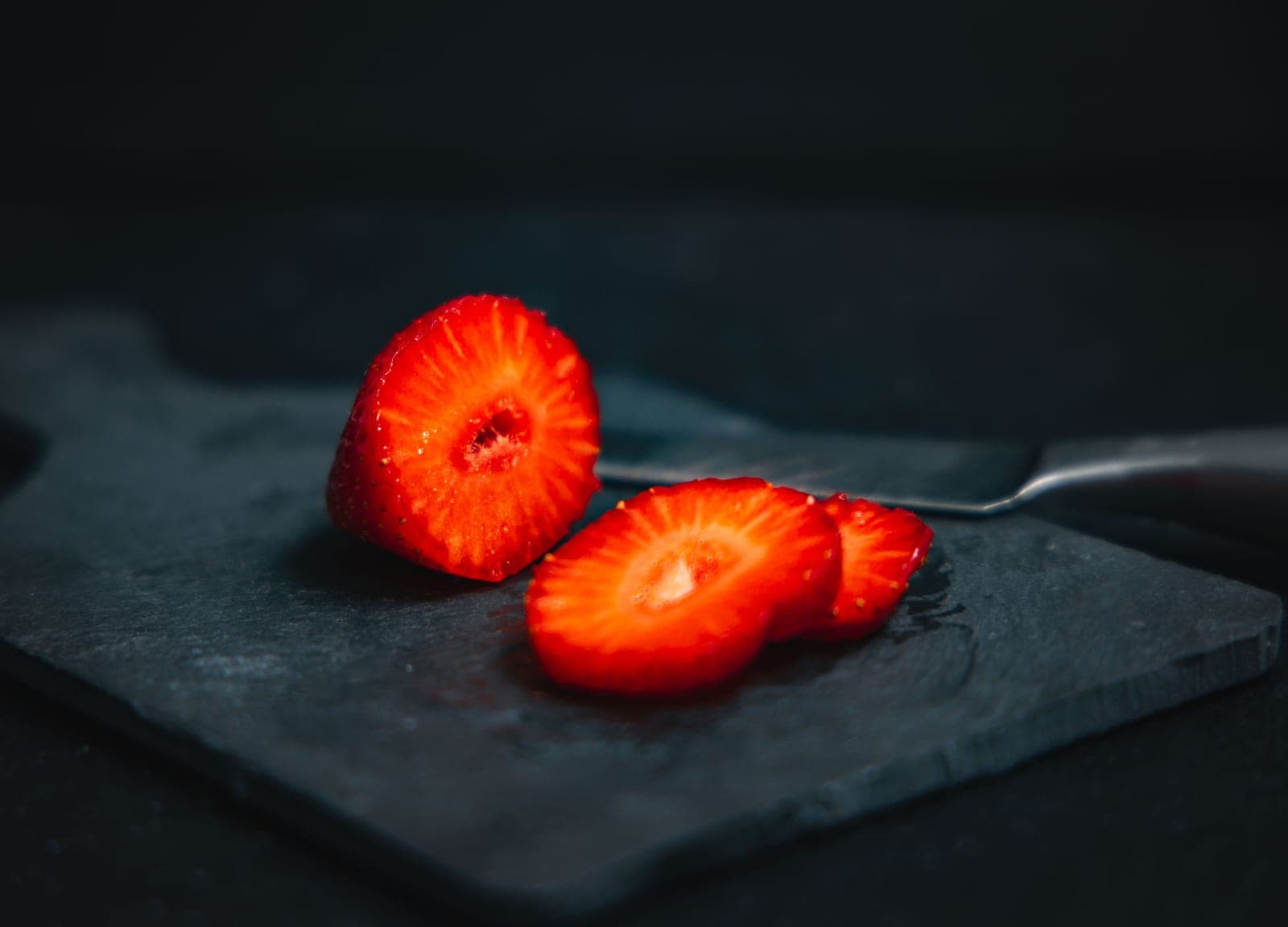
Flavor goes in the bottle, never the jar. How much fruit to add, which additions carbonate hardest, and what to avoid.
Top pick · EZ Cap Swing Top Bottles, Amber Glass, 16 oz (Case of 12)
Guide
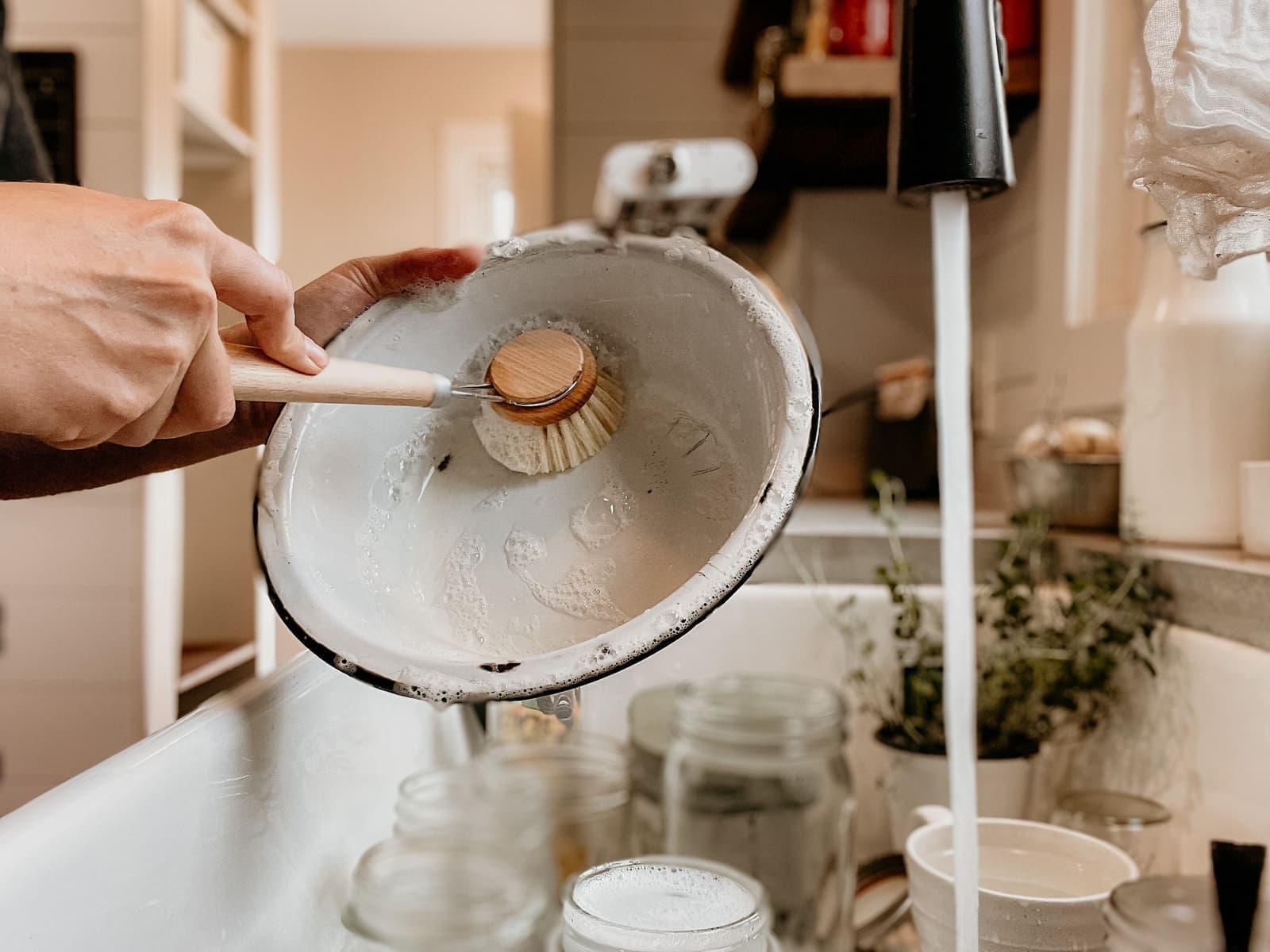
Why kombucha does not need a beer-brewing sanitizing regime, what genuinely needs cleaning, and the products that damage a culture.
Top pick · Fermentaholics Printed Gallon Kombucha Glass Jar
Guide
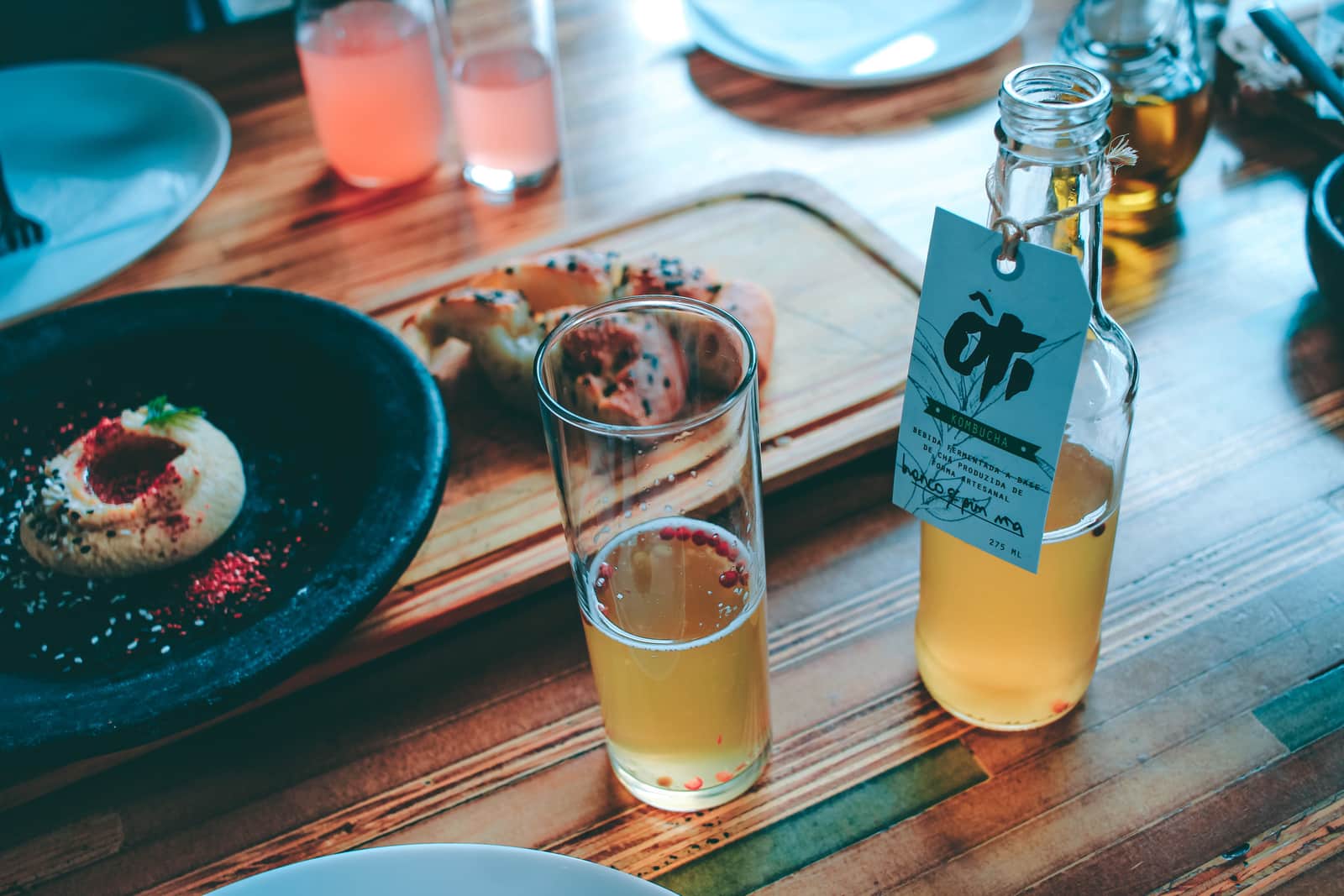
What the US 0.5 percent threshold means, why homebrewed kombucha is unmeasured, and which brewing choices raise the level.
Guide
Which precautions genuinely matter for home drink ferments, which are folklore, and where the honest answer is to ask someone qualified.
Top pick · Micro Essential Lab Hydrion 9200 Spectral pH Strips, 0.0-6.0
Guide
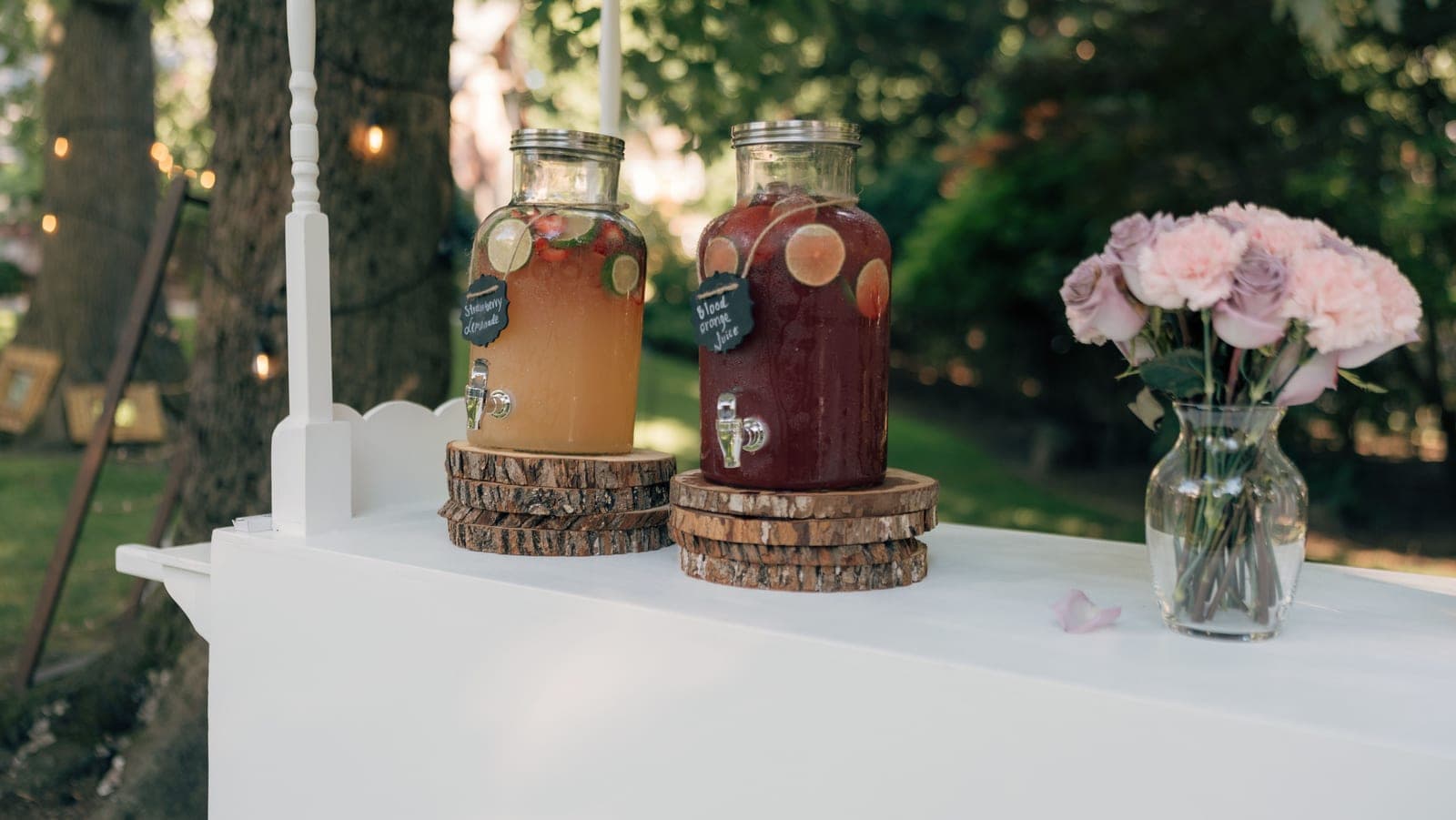
The published proportions — replace no more than 25 to 35 percent at once — plus cycle times, vessel sizing and the six-to-twelve-month full clean.
Top pick · Kombucha Kamp Glass Continuous Brewer with Stand
Guide
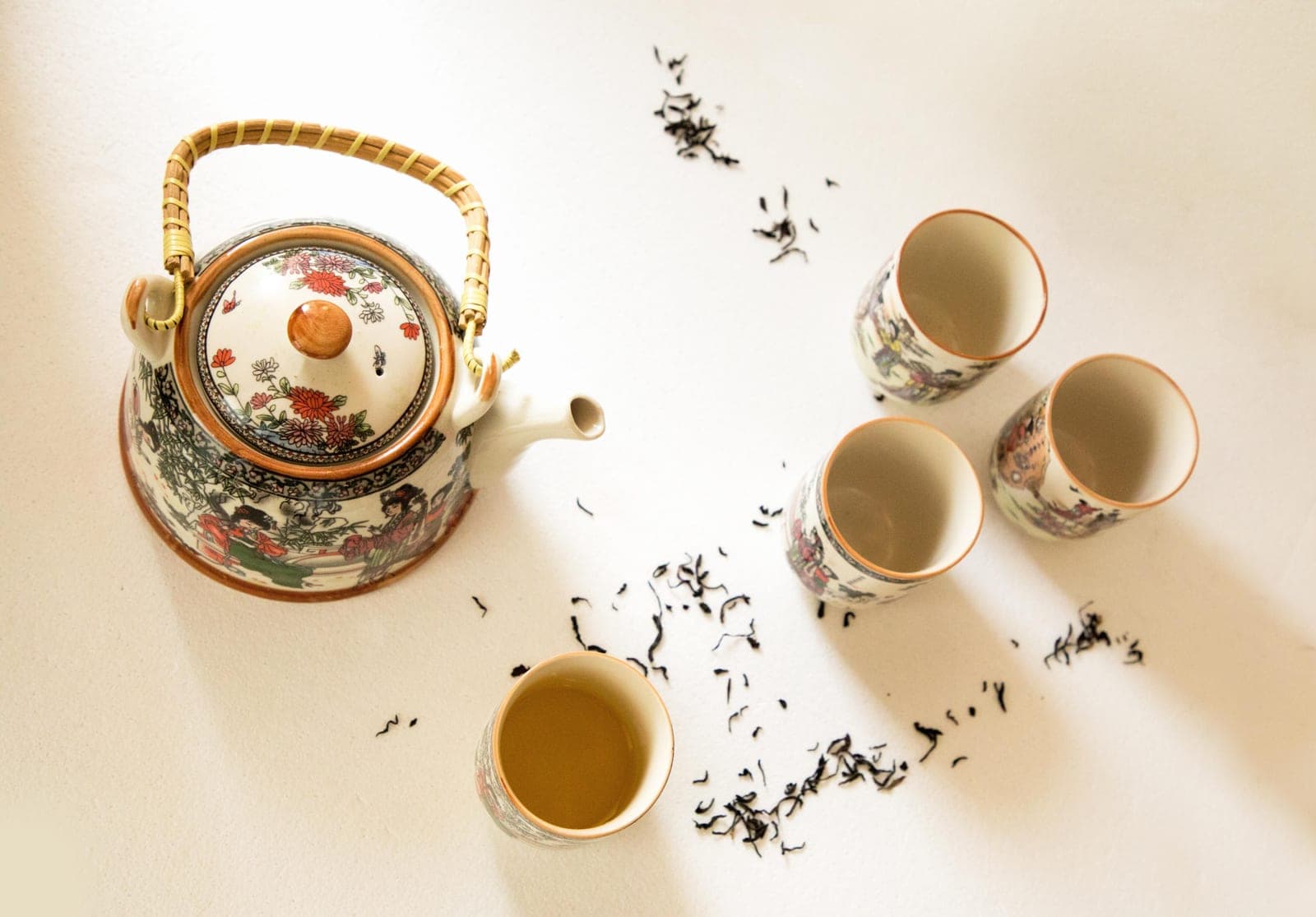
Published per-serving caffeine figures, raw leaf caffeine by tea type, and the two studies that disagree about what fermentation removes.
Top pick · The Kombucha Shop Kombucha Brewing Kit (1 Gallon)
Guide
Why refrigeration is a brake rather than a preservative, published storage temperatures, and the sealed-bottle failure everyone underestimates.
Top pick · EZ Cap Swing Top Bottles, Amber Glass, 16 oz (Case of 12)
Guide
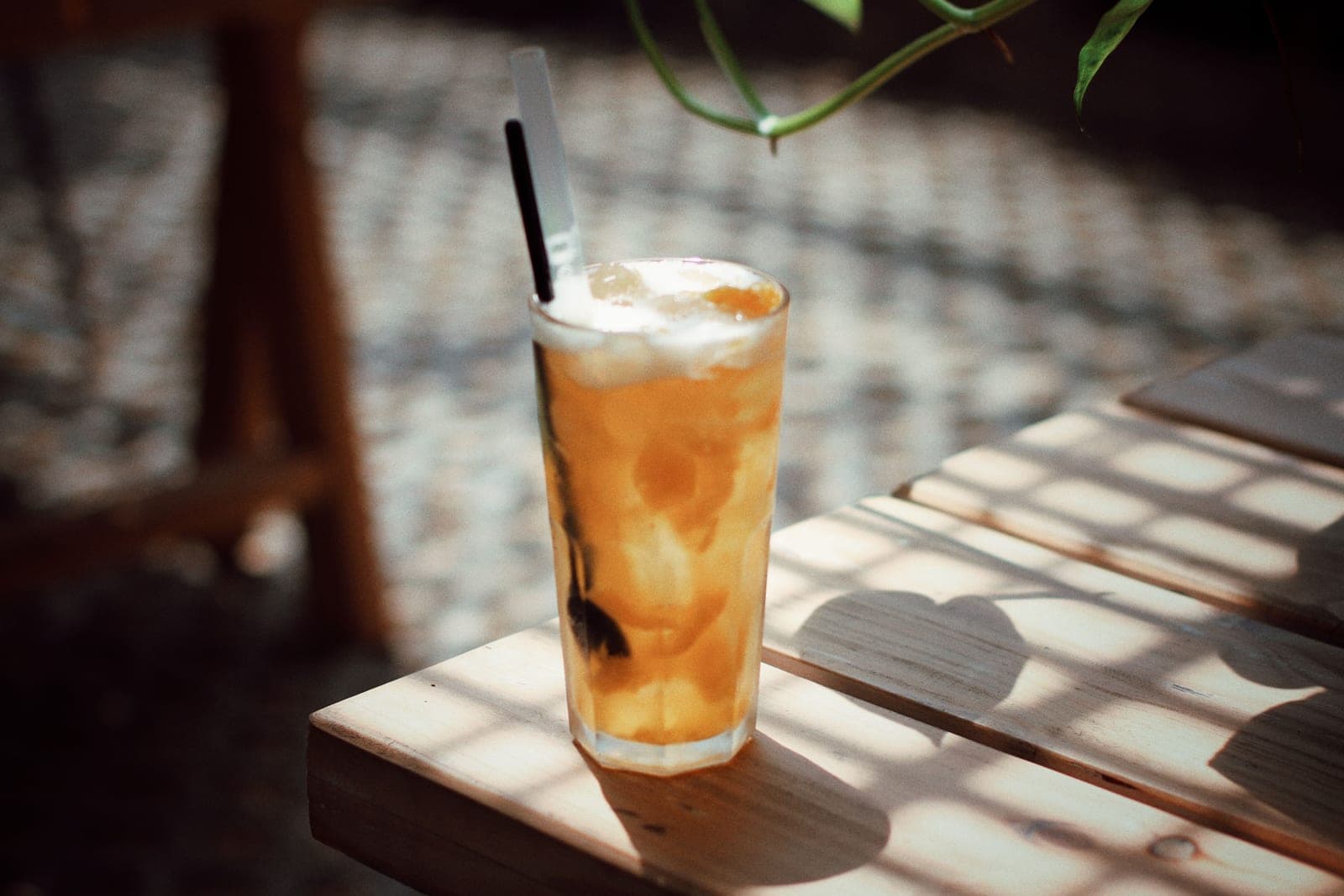
The four reasons a batch overshoots — temperature, time, starter ratio and a strong culture — and how to use the sour batch rather than pour it away.
Top pick · Craft a Brew Fermometer Adhesive Strip Thermometer
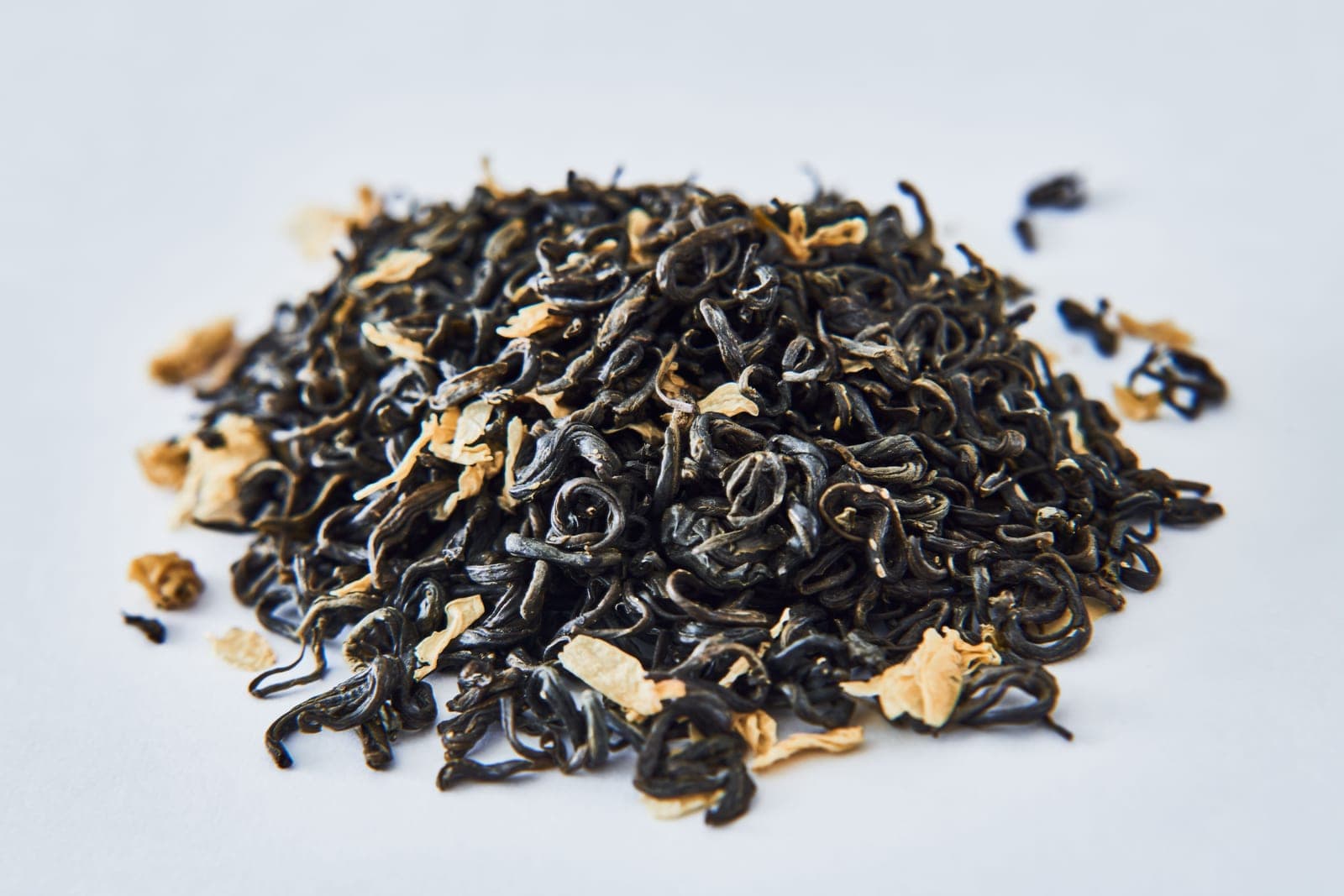
Best kombucha tea
Kombucha teas compared on the one figure that decides value — published gallons per bag — plus blend, certification, and what never to brew with.
Top pick · Fermentaholics Organic Kombucha Tea Blend, 8 oz
Guide
What you buy once versus what you buy repeatedly, the published yields that decide the running cost, and when brewing your own is honestly not worth it.
Top pick · Fermentaholics Complete Kombucha Brewing Starter Kit (1 Gallon)
Guide
Why fermenting jars attract fruit flies, the weave that actually stops them, and whether a batch they reached is still drinkable.
Top pick · Fermentaholics One Gallon Plain Glass Kombucha Jars, 2-Pack
Guide
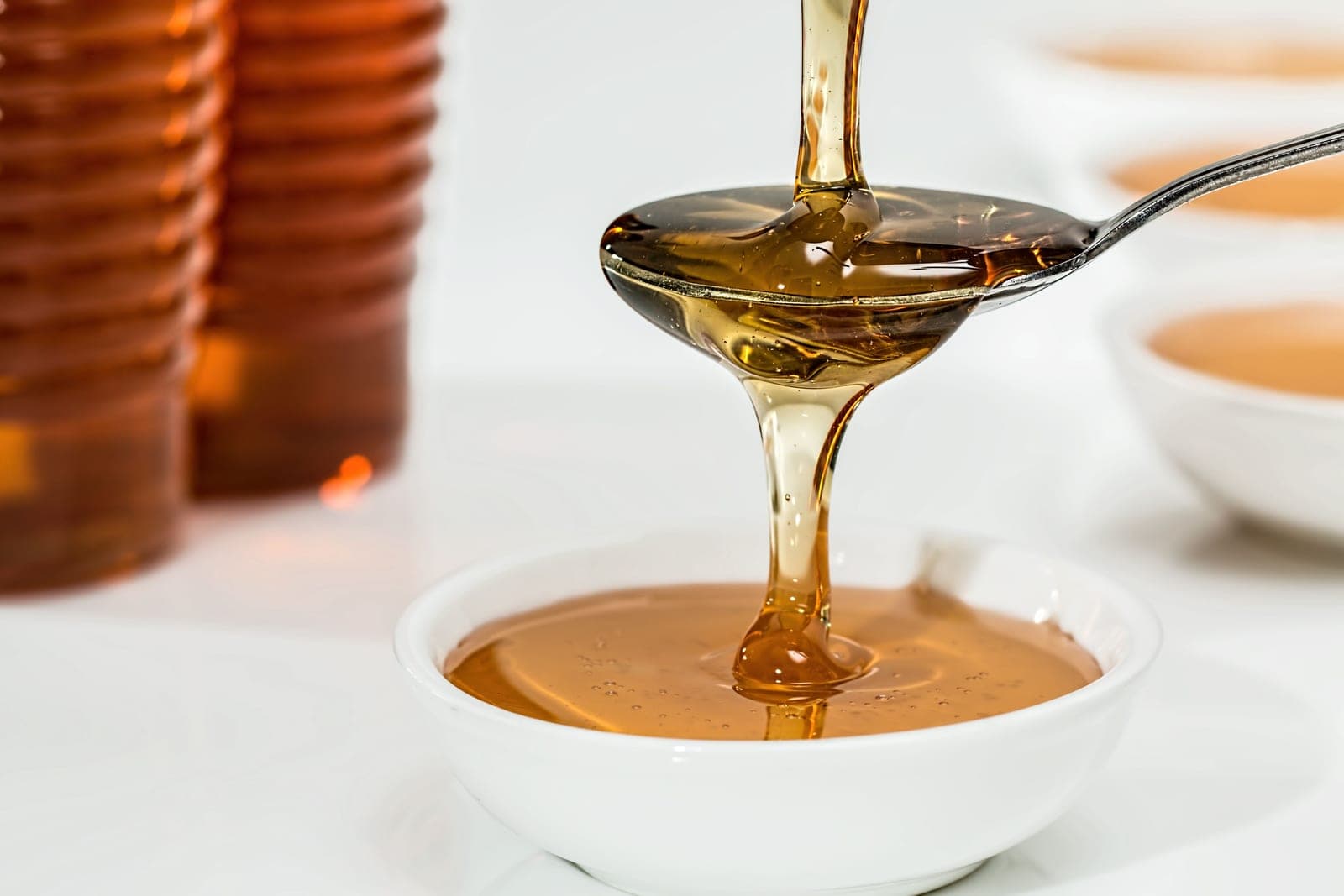
The full jun method — green tea, raw honey, the published starter ratio — and the three failure modes that are specific to honey rather than sugar.
Top pick · Fermentaholics Jun Kombucha Starter Culture, 12 fl oz
Comparison
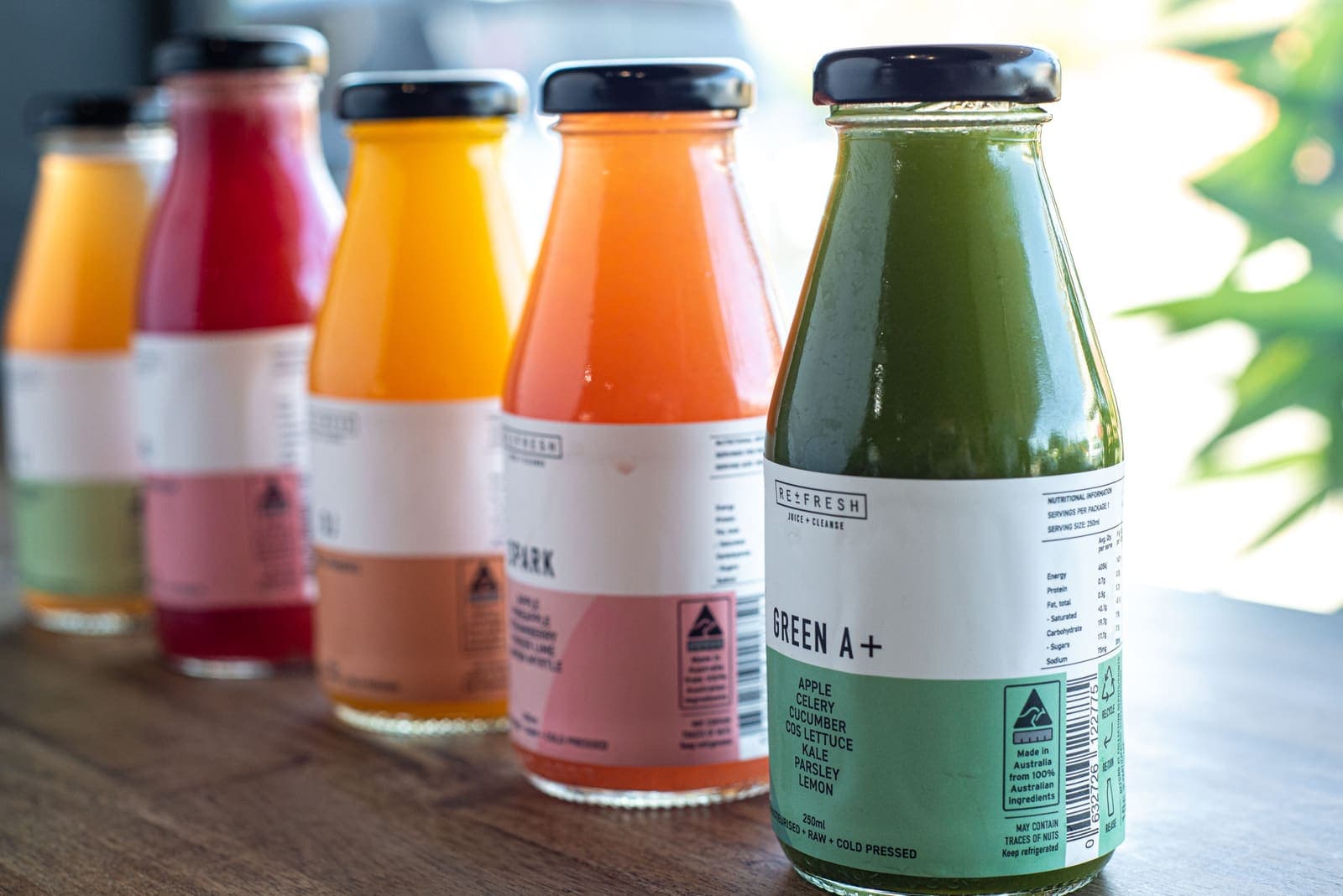
The second ferment for water kefir: pressure-rated bottles, how much juice to add, realistic timing and why it runs faster than kombucha.
Top pick · EZ Cap Swing Top Bottles, Amber Glass, 16 oz (Case of 12)
Comparison
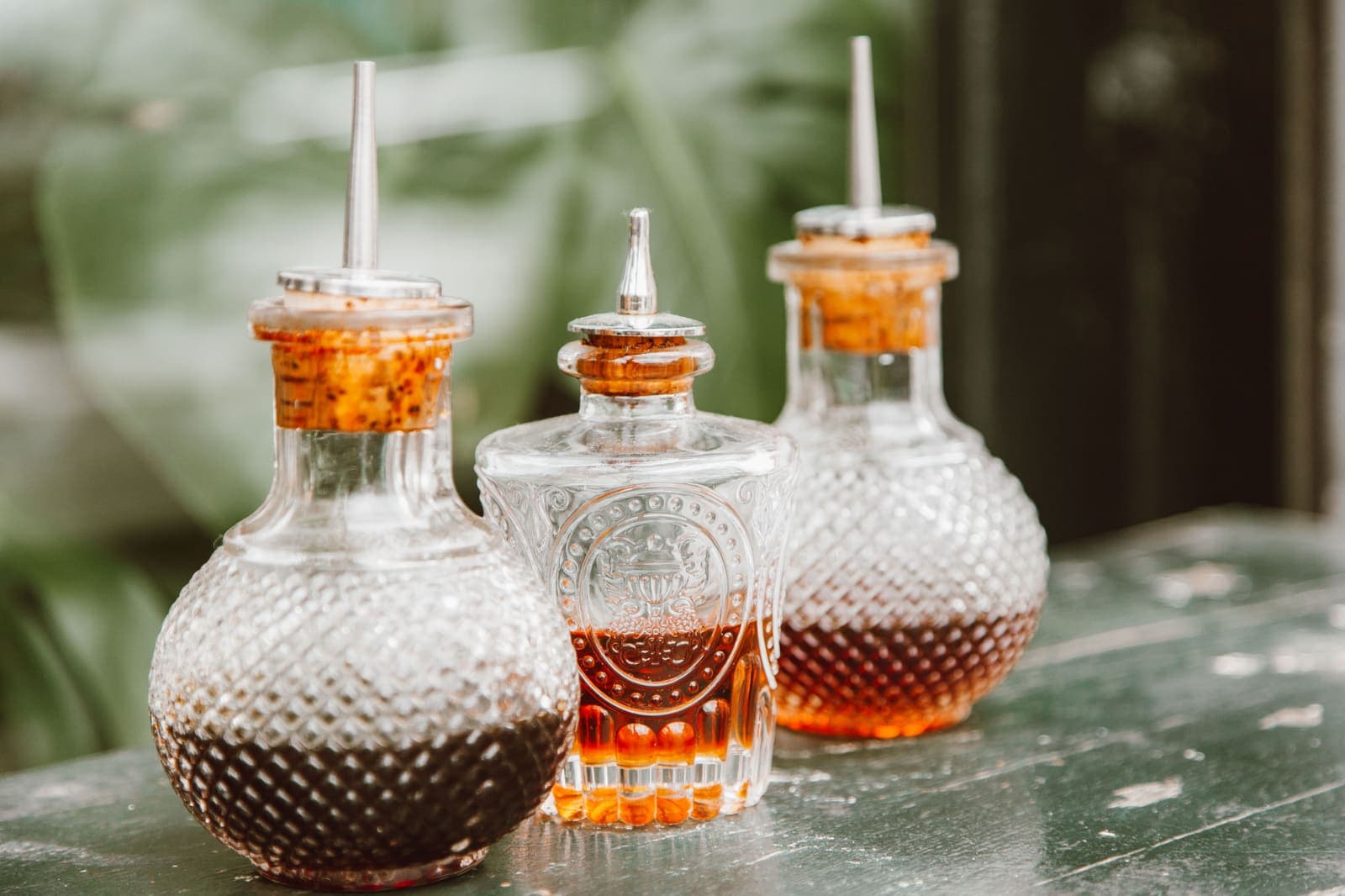
How to steer a batch past drinkable into vinegar, what to keep it in, and why you can never put a percentage on the result.
Top pick · Fermentaholics One Gallon Plain Glass Kombucha Jars, 2-Pack
Comparison
What to do with an active brew, finished bottles and the culture before a trip — by length of absence, and what to expect when you get back.
Top pick · Fermentaholics One Gallon Plain Glass Kombucha Jars, 2-Pack